Ningxia Hui Autonomous Region
Introduction
The Ningxia Hui autonomous region is a unique and culturally rich area located in northwest China. It is recognized for its diverse landforms and a vibrant blend of cultures, with a significant population of Hui people, an ethnic group primarily identified by their practice of Islam. Ningxia's historical significance is highlighted by its role as a crucial juncture on the ancient Silk Road, connecting various civilizations and promoting cultural exchanges.
Geography and Climate
Ningxia is characterized by its varied topography, including mountains, plateaus, basins and deserts. The Helan Mountains, a prominent feature, provide a striking backdrop with their ecological reserves that support diverse wildlife, such as deer. The region experiences a dry, continental climate, with clear skies making it an excellent location for astronomical observations. The Helan Mountains act as a natural barrier, influencing the local climate and creating a unique environment that supports both agriculture and viticulture. The eastern foothills of these mountains, for instance, are known for producing high-quality grapes, contributing to Ningxia's growing reputation in the wine industry.
Historical Significance and Cultural Heritage
Ningxia has a deep historical and cultural heritage, with its history interwoven with major dynastic eras and ethnic groups. The Helan Mountain petroglyphs offer insights into ancient civilizations that once thrived here. Ningxia is also home to various cultural practices, such as the intricate art of paper-cutting and rural embroidery, which reflect the region's rich ethnic diversity.
Culturally, Ningxia is known for its museums that preserve and showcase its historical artifacts, such as the Ningxia Hui Autonomous Region Museum and the Guyuan Museum. These institutions hold extensive collections, including coins, ceramics and other relics that narrate the history of Ningxia and China at large. Traditional performances, such as those by the Ningxia Peking Opera Troupe, further enrich the cultural landscape, blending historical narratives with artistic expression.
Economy and Development
Economically, Ningxia has evolved from its traditional agricultural base to embrace diverse industries, including wine production, tourism and clean energy. The region's viticulture benefits from its climatic conditions, with vineyards such as those at the Yuanshi Vineyard producing wines that have gained national acclaim. Ningxia's economic development is also supported by archaeological and cultural tourism, drawing visitors to its ancient sites and natural landscapes.
In recent years, efforts to preserve and promote Ningxia's cultural and historical assets have become integral to its economic strategy. These efforts not only boost tourism but also enhance the global recognition of Ningxia's cultural identity.
Tourism and Attractions
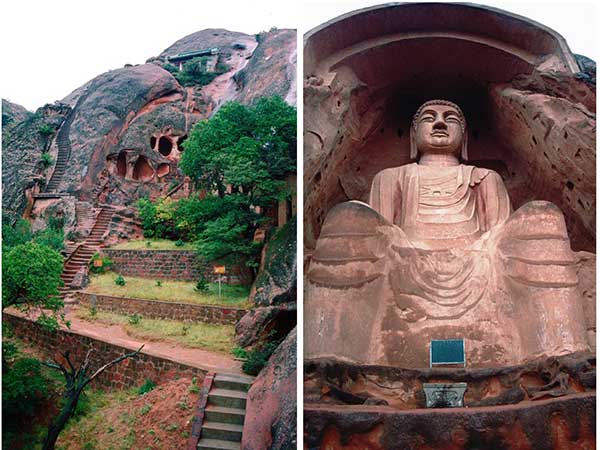
Ningxia's tourism is bolstered by its natural and cultural attractions. Sites such as the Helan Mountains National Nature Reserve and the Tengger Desert provide breathtaking landscapes for outdoor enthusiasts and stargazers. The Huoshizhai National Geopark, known for its unique Danxia landform, attracts geologists and tourists with its vibrant red sandstone formations.
Cultural and historical sites, including the 108 ancient pagodas in Qingtongxia and the various museums, offer insights into Ningxia's past and its ongoing cultural practices. The region is also part of significant cultural festivals and exhibitions that celebrate its rich heritage, drawing visitors from around the world. The combination of natural beauty and cultural depth makes Ningxia a compelling destination for travelers seeking to explore China's diverse offerings.








